
Our Measurable Impact
Through grassroots agency, practical climate-smart solutions, and targeted protection programs, we are creating enduring transformation for vulnerable children, women, and farmers in Western Kenya.
Strategic Readiness
Operational Infrastructure
Sustained networks of community trainers, case managers, and Lead Farmers across Kakamega county ready to activate and scale operations.
Partnerships & Compliance
Collaborating with national ministries (Agriculture, Health, Education), Tumaini CBO, and NGO forums to ensure alignment with Kenya's Development Agenda.
School Dignity & Nutrition Project
Addressing the “poverty of dignity” by keeping orphans, girls, and young teen mothers in the classroom through menstrual health support, school re-entry guidelines, nutrition, and personal care.
Core Project Deliverables
Smart Agriculture & Green Clubs
Training on Conservation Agriculture, organic school kitchen gardens, and raised beds to supply fresh school nutrition.
- Raised beds & compost
- Green Clubs leadership
Widows & Teen Mothers
Engaging vulnerable female caregivers with targeted socio-economic support, table banking, and micro-livelihoods.
- Economic self-sufficiency
- Social safety nets
Inclusive Child Protection
Collaborating with Tumaini CBO and local networks to rehabilitate street-connected children and enroll youth with disabilities.
- Child rehabilitation
- Unconditional school access
Waste-to-Wealth
Composting school kitchen organic waste to create nutrient-rich fertilizer for smart agricultural plots, closing the loop.
- School organic composting
- Bio-fertility plots
Field Work & Impact Gallery
Explore authentic documentation from our community resilience, school mentorship, climate-smart agriculture, and local partnership operations across Kakamega County.
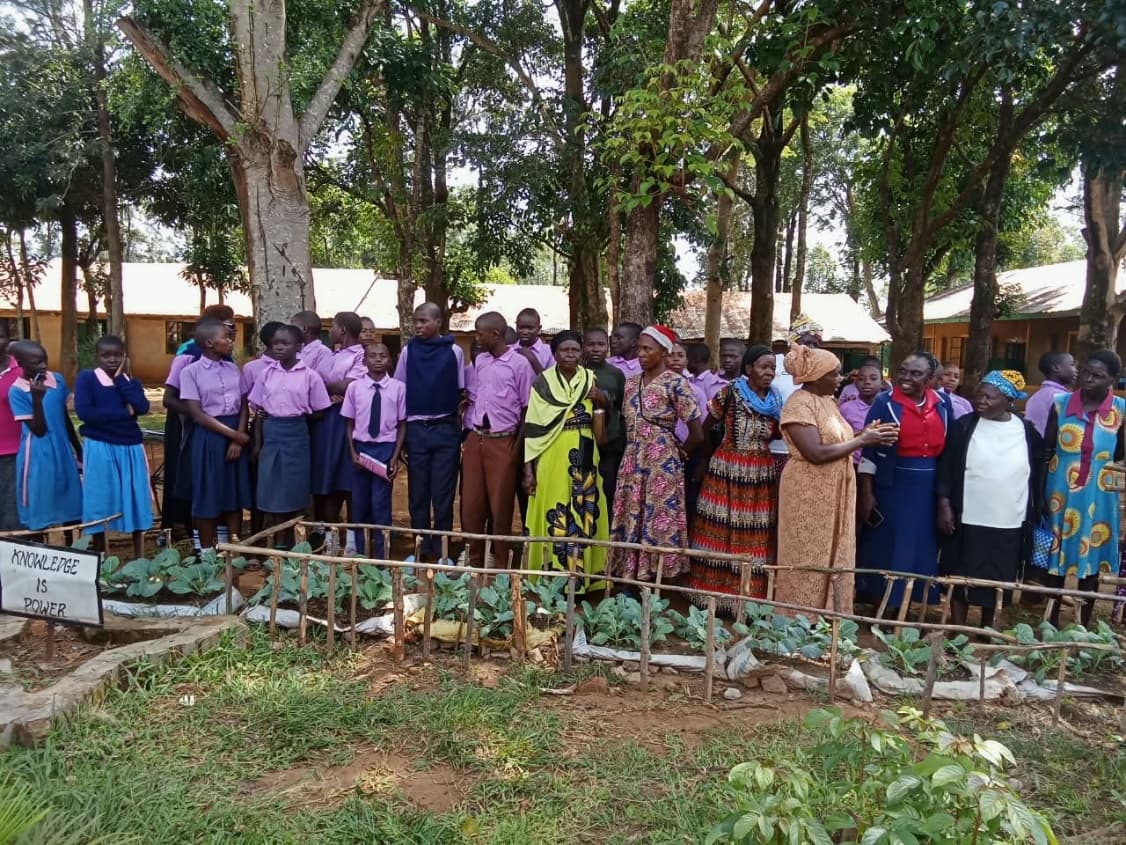
Hands-On School Kitchen Gardens Demonstration
The CESUD team met with our vibrant Green Clubs, dedicated teachers, and students to conduct a hands-on demonstration on setting up and managing sustainable school kitchen gardens. Through climate-smart practices like organic composting and raised beds, we equip young learners with practical farming skills while enhancing school nutrition.
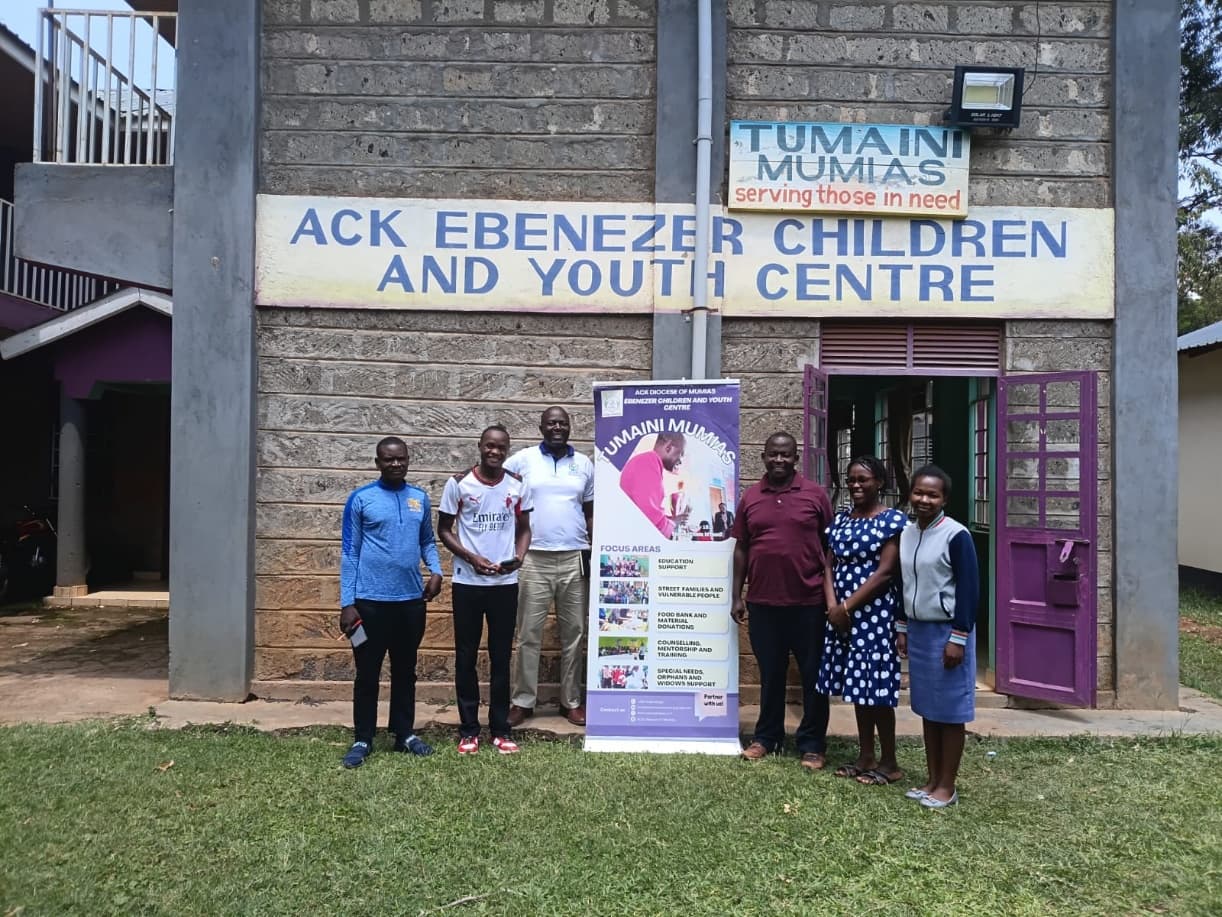
CESUD & Tumaini CBO (ACK Diocese of Mumias)
Great meeting between the CESUD team and Tumaini CBO (ACK Diocese of Mumias) at their offices! Exploring strong partnerships to enhance child rehabilitation, social inclusion, and community empowerment. Together, driving local solutions for sustainable change.
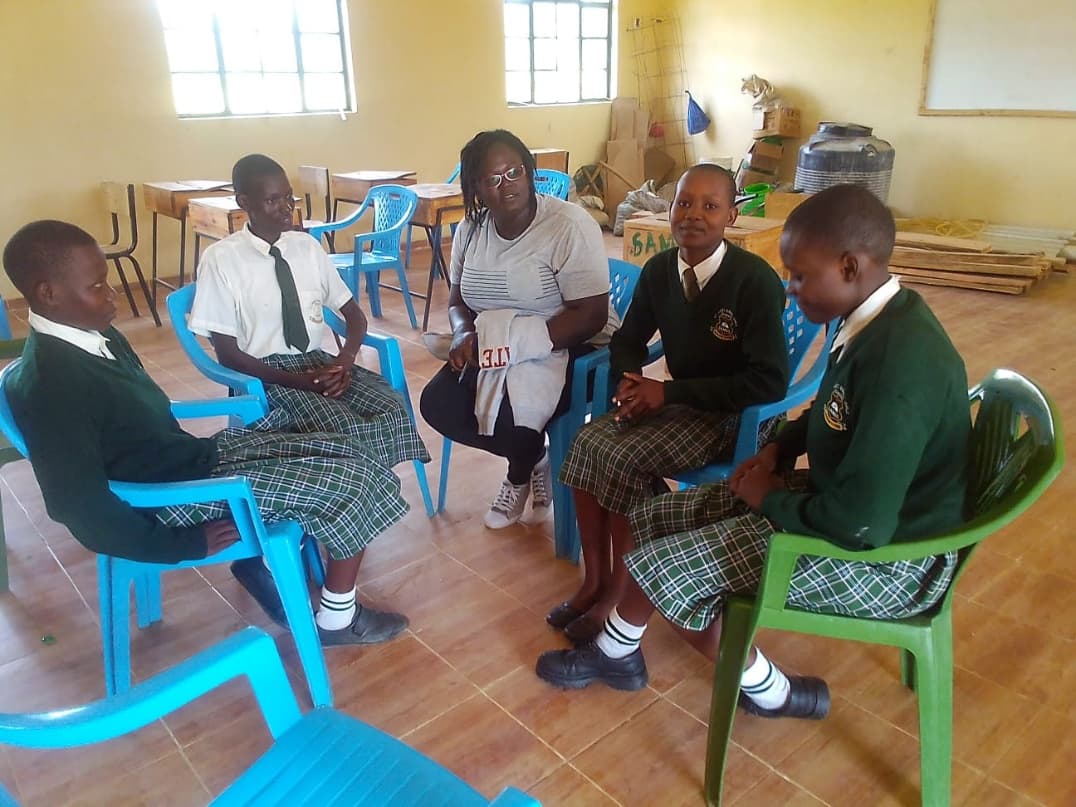
Empowering the Next Generation of Girls
Focus on School Dignity & Mentorship: 'Empowering the next generation right where it counts. Our team member sitting down with schoolgirls to share life skills, hygiene support, and encouragement through our School Dignity initiative.'
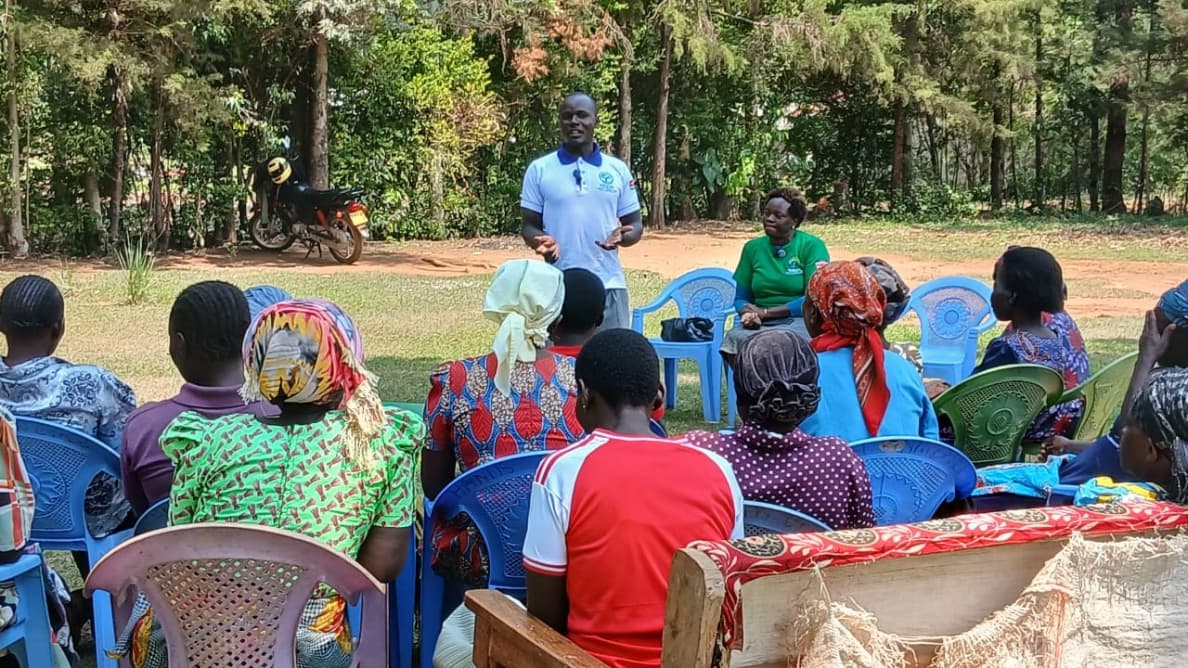
Socio-Economic Support for Widows & Teen Mothers
'Sustainable development begins by listening to and equipping those who drive local change.' CESUD field operations in action—engaging with widows and teen mothers to deliver targeted socio-economic support, foster social protection, and transition vulnerable families to lasting self-sufficiency.
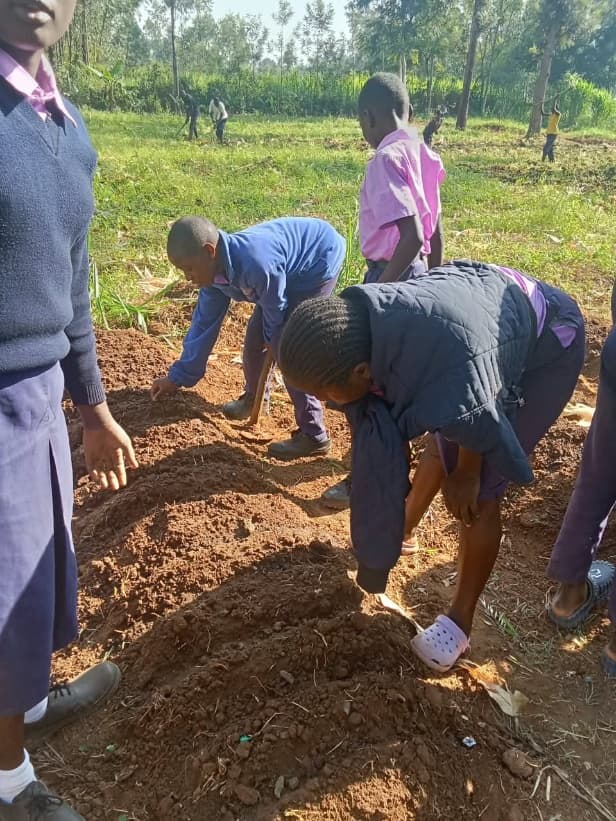
Organic Garden Revival & Raised Beds
“Empowering young minds to grow their own nutrition. Through the Organic Garden Revival initiative, students are mastering climate-smart agriculture one raised bed at a time.” Equipping pupils with agroecological skills for life.
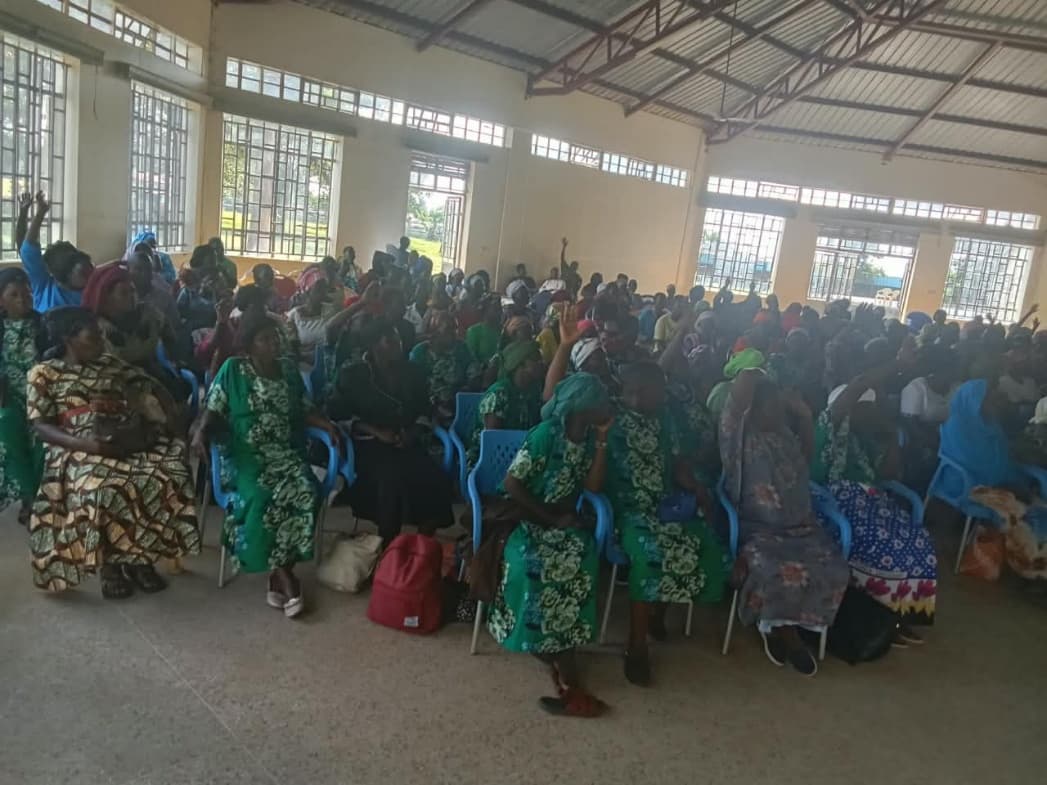
Women-Led Household Transformation
“Empowering women, transforming households. Inside the latest CESUD economic resilience session.” Training community women on table banking, collective savings, and sustainable enterprise management.
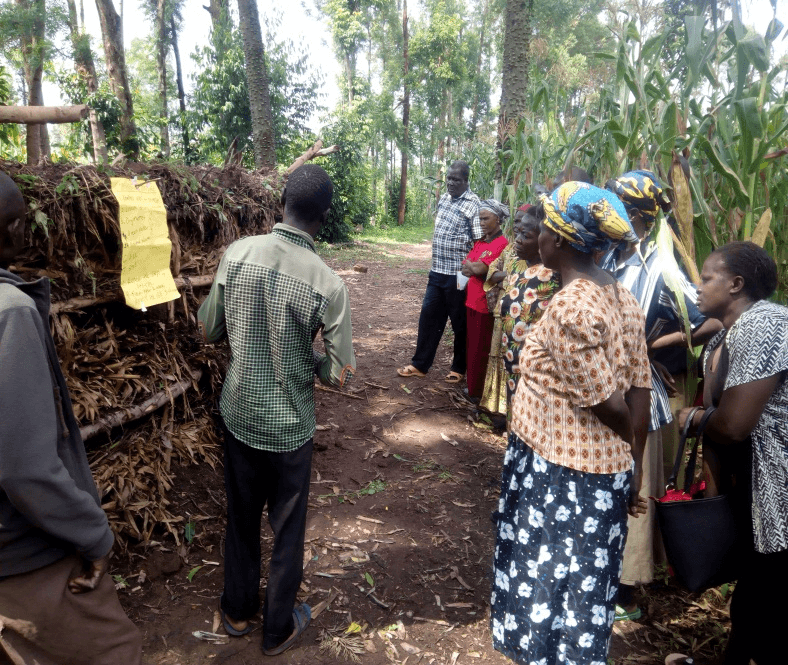
Compost-Driven Soil Fertility Enhancement
Hands-on collaboration in action🌱: A CESUD Field Officer works alongside a Lead Farmer during a training session at Eshikomari Ward-Kakamega on compost-driven soil fertility enhancement. By transforming waste into nutrient-rich compost, farmers cut input costs and restore soil health without chemical fertilizers.
Model Farm Demonstration with Partners
GIZ/GOPA Team Leaders visit a model farmer in Shikomari-Kakamega to witness real-world impact of Climate-Smart Agriculture. The farm showcases Good Agricultural Practices (GAPs), vetiver grass for erosion control, agroforestry, and conservation farming.
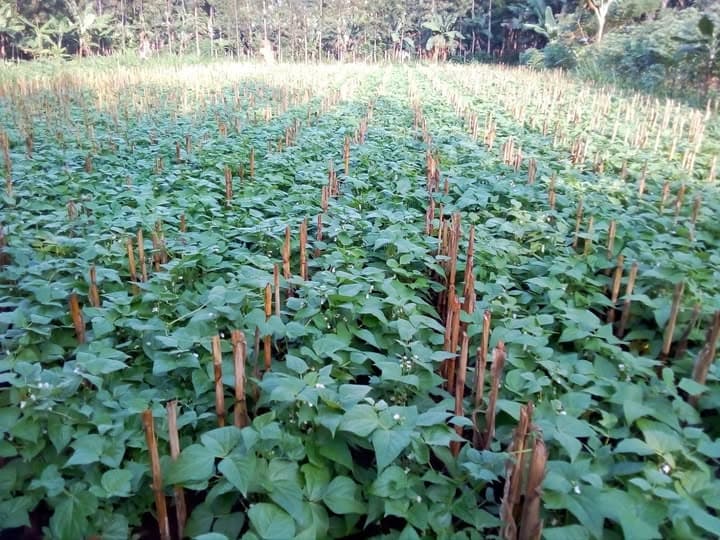
Crop Rotation & Soil Nitrogen Cycling
From maize to beans! 🌽➡️🫘 Witnessing the power of crop rotation firsthand in Mumias East-Kakamega. The leftover maize stalks feed the soil, while beans fix nitrogen for the next cycle naturally.
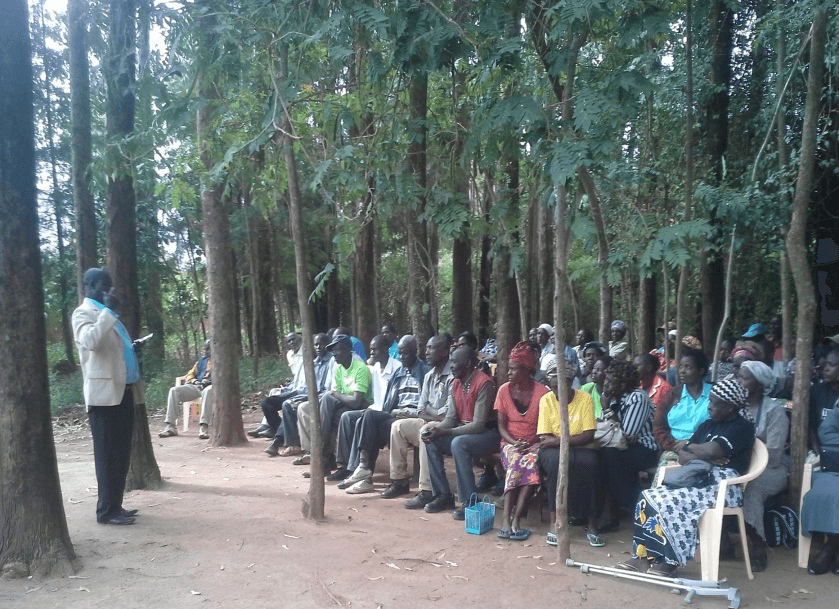
Ministry of Agriculture Collaboration
In partnership with the Ministry of Agriculture, CESUD Field Officers met with local farmers in Lugari-Kakamega to evaluate Climate-Smart Agriculture training, expanding techniques like Conservation Agriculture, Agroforestry, and Contour Planning.
Stories of Change
“Before CESUD's intervention, I struggled to afford sanitary towels, which often kept me out of school. Now, I feel confident and supported. The mentorship sessions have also helped me focus on my studies and dream bigger.”
Amina K.
Beneficiary, School Dignity Program
“The Pro-Soil and raised bed training changed how I farm. My crop yields have increased significantly without chemical fertilizers, allowing me to provide nutritious food for my family and sell the surplus.”
John M.
Lead Farmer, Climate-Smart Agriculture